
Essential Maintenance Tips for Air Fryers
Unwashed baskets and crumbs in the heating element can cut an air fryer’s life short, leading to burnt smells or uneven cooking within weeks. Neglect allows grease to build up, raising the risk of electrical faults or even a broken fan. Most models hold up well for two years if cleaned after every few uses, but burnt residue can build up in only a month of daily use.
- Unplug the air fryer and let it cool fully after cooking.
- Remove the basket and tray, washing both with warm soapy water.
- Wipe the inside and heating element with a damp cloth, avoiding harsh cleaners.
- Dry every part completely before reassembling.
Problems often start when crumbs or oil are left in hidden corners or when steam is trapped by reassembling parts while wet.
Why does my air fryer smell bad

Lingering odors often result when food particles or grease collect in hard-to-reach areas of the air fryer. This buildup can remain undetected until cooking heats these residues, releasing unpleasant smells that persist even after regular use.
- Prevents cross-contamination of flavors between different dishes
- Reduces risk of smoke caused by burnt residue
- Maintains appliance performance over repeated use
- Extends the life of internal components by limiting corrosion
- Neglected residue can cause stubborn odors that cling to plastic surfaces
- Some components require scrubbing by hand, adding extra cleanup time
- A deep clean may be needed after cooking heavily seasoned or fatty foods
A removable basket and tray make detailed cleaning much faster than with fixed parts. Unplugging the device and letting it cool before disassembly avoids accidental burns or electrical issues.
How do I stop food sticking
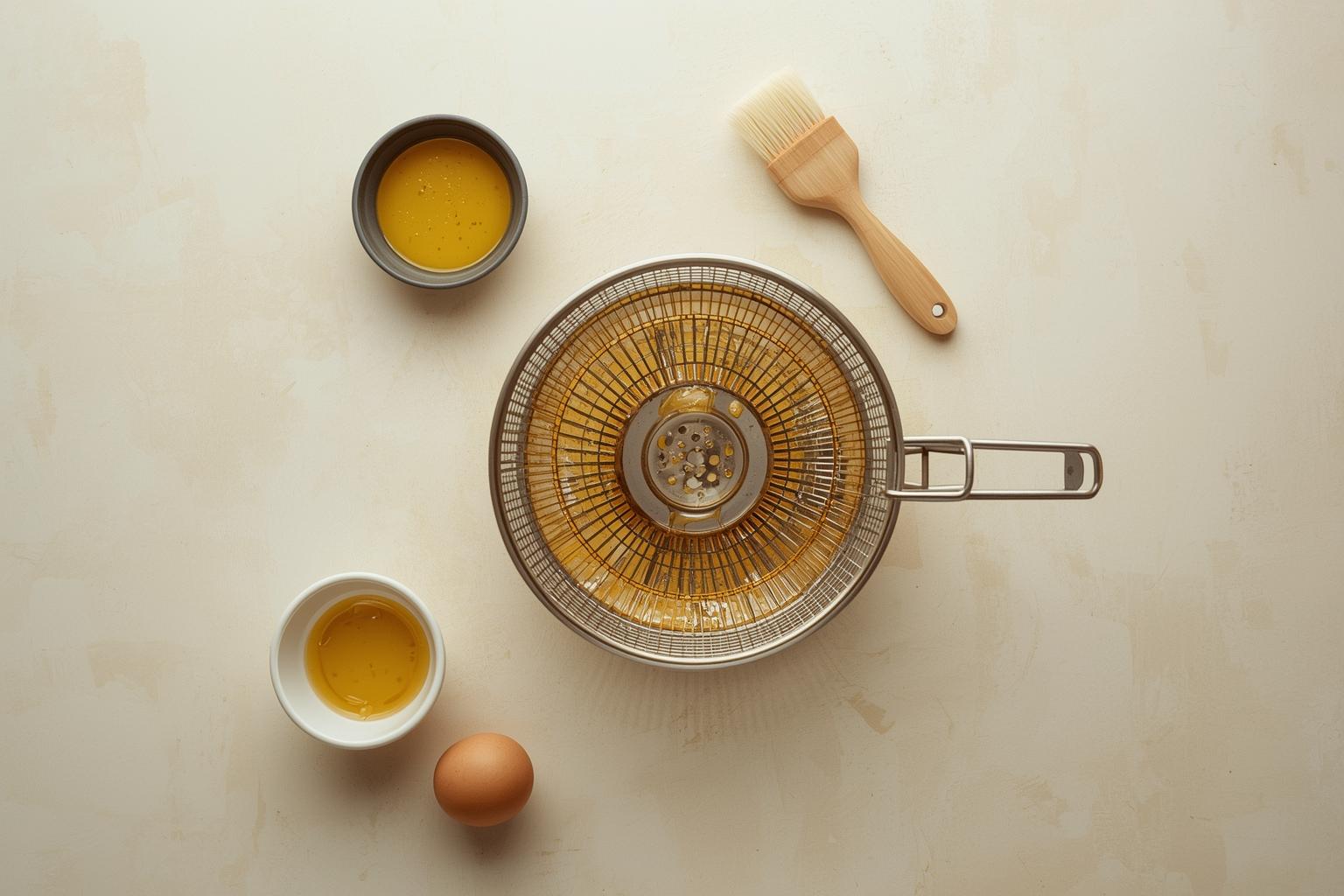
Thin batters and breaded foods often cling to the air fryer basket after cooking. High heat and poor surface coating can make this problem worse, especially with delicate items like fish or cheese sticks. Several practical steps help keep food from sticking:
- Nonstick spray – prevents grip, but only if it is propellant free
- Parchment paper with holes – blocks direct contact, lets air flow
- Light oil brushing – creates a barrier without pooling or smoking
- Avoiding excessive washing – preserves surface layer, especially on baskets with ceramic coating
- Thorough basket drying – stops water spots that trap food residue
A single teaspoon of oil per basket load is enough for most foods. Drying the basket fully after each wash reduces buildup that leads to sticking.
What ruins an air fryer fastest
Neglecting to clean the basket and interior after every use allows grease buildup, which damages the heating element and causes smoke. Scrubbing with steel wool or harsh pads scratches the nonstick coating, leading to food sticking and eventual rust.
Overfilling the basket blocks air circulation, forcing the fan and heating system to work harder. This strain can cause uneven cooking, overheating, and, in some cases, a broken motor. Using aerosol spray oils also degrades the nonstick layer faster than pouring or brushing oil.
Consistent use of gentle sponges and avoiding overcrowding preserves the internal surfaces and mechanical parts longer. Skipping these steps leads to more frequent repairs and a shorter appliance lifetime.
How to clean hard-to-reach parts
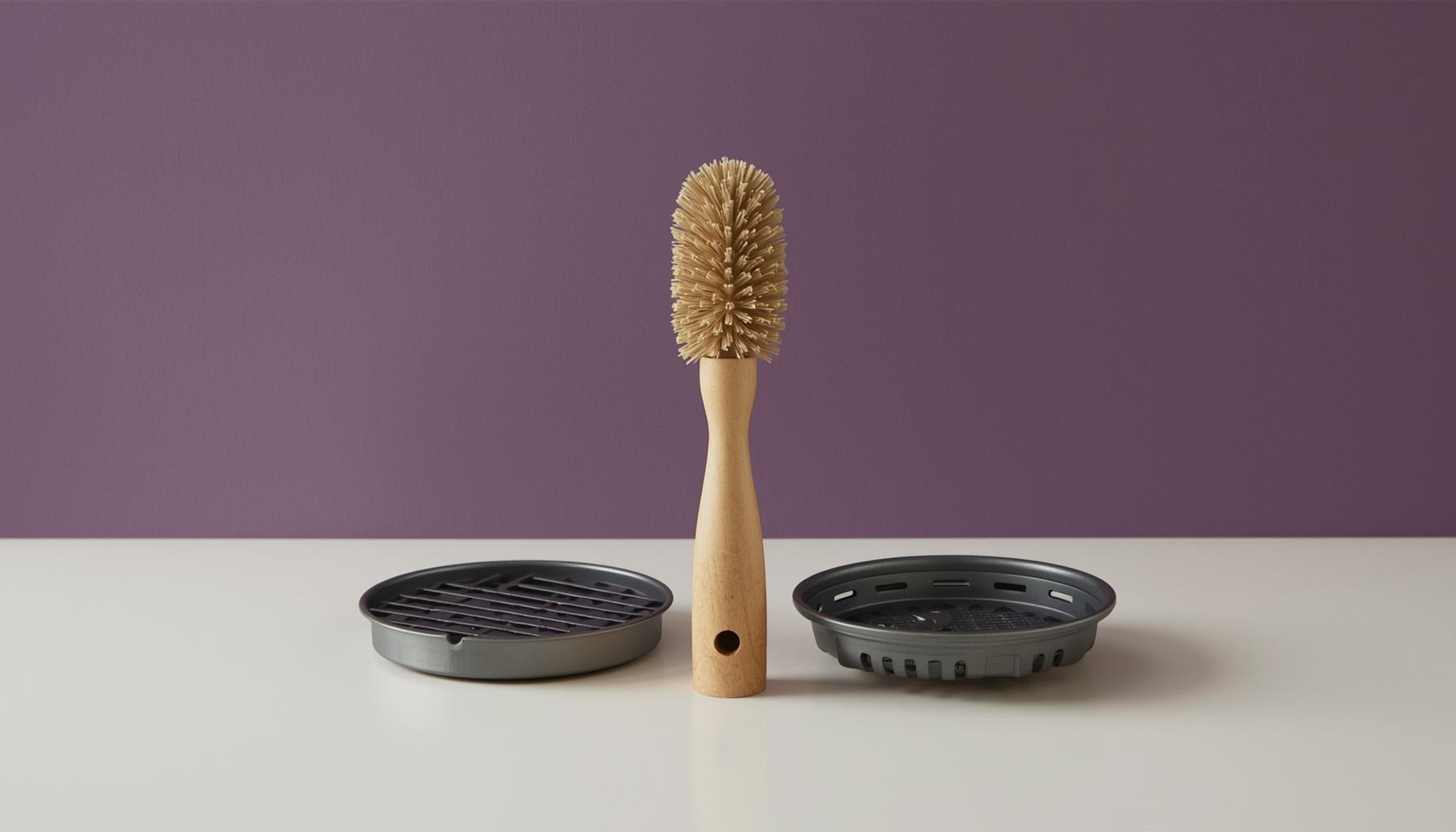
Stubborn grease often collects near air fryer heating elements and inside vents, where standard wiping misses key buildup. Over time, residue in these spots can cause uneven cooking or unpleasant odors. Deep cleaning these areas extends appliance life and preserves food quality.
Cleaning the heating element safely
Manufacturers often place the heating element above the basket to prevent oil buildup, but this location also limits access for cleaning. When food debris burns onto the element, it can cause smoke or a burnt odor during use.
| Type of Access | Best Tool | Recommended Cleaner | Products to Avoid | Warranty Risk |
|---|---|---|---|---|
| Fixed grill cover | Soft-bristle brush | Mild dish soap | Abrasive powders | Low if no force used |
| Slide out panel | Microfiber cloth | Water with vinegar | Bleach solutions | None if panel is user-removable |
| Open coil, no cover | Cotton swab | Isopropyl alcohol (diluted) | Oven cleaner spray | Medium, especially if bending element |
| Removable tray below element | Non-scratching sponge | Baking soda paste | Steel wool | None when following manual |
| Hidden element, sealed | Compressed air can | No liquid needed | Any liquid cleaners | High if opened or seal is broken |
Any cleaning involving direct contact with the heating element should not exceed once per month. Cotton swabs reach between coils if used gently and without soaking the area.
Removing buildup from vents and crevices
Grease and crumbs often collect in the vents and narrow crevices of air fryers where the basket meets the main body. This buildup can block airflow, forcing the fan to work harder and increasing the risk of uneven cooking or strange smells. Clearing out these hidden pockets requires simple tools and a little patience:
- Unplug the device and wait until every compartment is cool to the touch before starting any cleaning.
- Dislodge trapped crumbs from vents using a wooden skewer or an old toothbrush with soft bristles, working gently to avoid scratching the plastic or metal.
- Vacuum loose debris from tight spaces with a handheld vacuum or the crevice attachment of a regular vacuum cleaner, keeping the nozzle just above the openings.
- Wipe away residual grease from inside vents with a cotton swab dipped lightly in white vinegar, taking care not to saturate electronic parts.
- Allow all cleaned areas to dry fully before reassembling and reconnecting the device.
Regular attention to vents and crevices can help prevent the fan from laboring under blocked airflow. Lining the bottom basket with parchment paper after each deep clean reduces how much residue reaches these hard-to-access spots.
Gentle brushes and soft cloths reach into vents and around delicate wires without harming them. Only use cleaning tools that do not scrape or scratch sensitive surfaces to keep all components functioning smoothly.